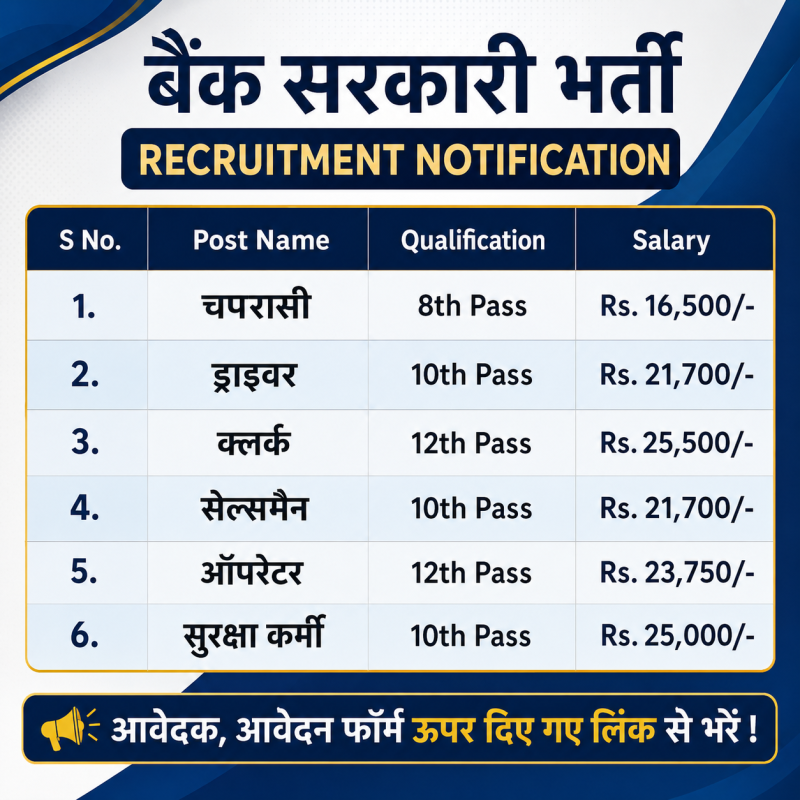
The banking industry is actively recruiting fresh graduates throughout 2026, creating excellent entry-level opportunities for diploma and degree holders. India's leading public sector banks are opening positions across multiple categories including Probationary Officer (PO), Clerk, Specialist Officer (SO), and support roles. This comprehensive guide provides everything you need to know about banking careers for freshers in 2026.
Banking Industry Recruitment Overview for Recent Graduates
India's banking sector remains one of the most desirable employment destinations, offering job stability, competitive salaries, and strong promotion prospects. Public sector banks conduct regular recruitment drives to fill vacancies in various positions. With proper qualifications and exam preparation, fresh graduates can build rewarding careers at these top institutions.
Important Recruitment Timelines
Recruitment schedules vary depending on the bank and position type. Typical timelines include:
- Application windows typically open for 2-4 weeks after the notification is released
- Preliminary exams are conducted approximately 4-6 weeks following the application deadline
- Main written tests are scheduled around 3-4 weeks after preliminary results are announced
- Personal interviews generally occur 2-3 months after the main exam concludes
Keep checking official bank websites and the IBPS (Institute of Banking Personnel Selection) portal regularly for announcement dates and exact schedules.
Eligibility Criteria for Fresher Candidates
Age Limits: Most junior positions require applicants to be between 18-30 years old. SC/ST/OBC candidates receive age relaxations as per national guidelines.
Educational Background: PO positions need a bachelor's degree from a recognized institution. Clerk posts require 10+2 or diploma, though graduates are preferred. SO roles demand specialized qualifications such as CA, CFA, or relevant engineering degrees based on the department.
Nationality Requirements: Applicants must be Indian citizens. Citizens of Nepal and Bhutan with valid documents may qualify for certain positions.
Language and Technical Skills: Basic English and the relevant regional language are essential. Computer knowledge and typing speed are required for clerical and administrative positions.
Job Categories Available
Probationary Officer (PO): The most sought-after role for bachelor's degree holders, offering immediate officer-level status and excellent growth potential. Selection includes a written exam and personal interview.
Clerk Positions: Perfect for diploma and intermediate-qualified candidates, these roles offer steady income growth and good salary benefits. Duties include customer service, cash handling, and general banking operations.
Specialist Officer Posts: Banks hire specialists in IT, HR, marketing, and other departments for candidates with relevant experience and expertise.
Junior Support Roles: Entry-level positions designed for newcomers to gain practical banking experience and develop customer service skills.
Selection Process - Five Main Stages
Banking recruitment follows a structured evaluation process:
- Stage 1 - Preliminary Exam: Computer-based test covering numerical ability, reasoning, and English language skills
- Stage 2 - Mains Exam: In-depth test assessing subject knowledge, general awareness, and decision-making abilities
- Stage 3 - Personal Interview: Assessment of communication skills, confidence, and banking knowledge
- Stage 4 - Document Verification: Verification of educational certificates, identity, and other credentials
- Stage 5 - Medical Test: Health examination to confirm fitness for the position
How to Apply - Step-by-Step Guide
Step 1: Visit the bank's website or IBPS official portal (https://www.ibps.in) and create your account or log in.
Step 2: Find the job notification for your desired position and read all eligibility criteria carefully.
Step 3: Complete the application form with accurate personal and educational information. Upload your passport-sized photograph and signature as per specifications.
Step 4: Select your preferred exam center and category status. Review all entered information for accuracy.
Step 5: Submit your application and save the confirmation number. Pay the application fee through credit card, debit card, or online banking if applicable. Fee waivers are available for eligible categories.
Step 6: Keep the submitted receipt and watch your email for the admit card and exam details.
Preparation and Study Tips
Start your preparation early by understanding the exam pattern and question types. Focus on building strong skills in mathematics, logical reasoning, and English language. Solve previous years' question papers and take regular mock tests to track your progress. Join coaching classes or use free online learning platforms to strengthen weak areas. Stay updated on current events, banking awareness, and economic news. Manage your time effectively during practice tests, as both accuracy and speed are crucial for success.
Key Rules and Guidelines
Read all official notifications thoroughly before applying. Ensure all your documents are valid and properly attested. Keep digital copies of all submitted documents. Follow all instructions for downloading your admit card. Arrive at the exam center early with all required documents. Maintain professional conduct during interviews. Check official channels regularly for updates on recruitment status.
Disclaimer: Please verify all information including dates, eligibility criteria, number of posts, and salary from the official websites of the respective banks or IBPS before application. Banking recruitment processes change periodically, and this guide provides general information based on standard practices. Always refer to official sources for the most current and complete information before applying.